Ripple
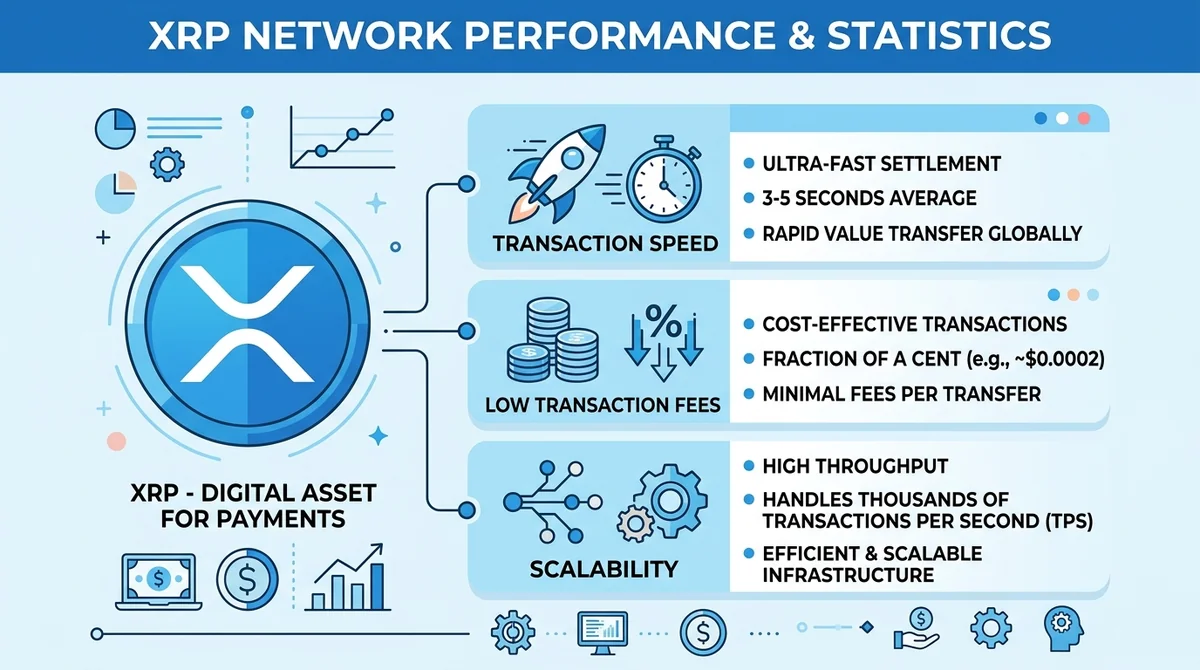
Comprehensive guide to Ripple (XRP): cross-border payment token features, regulatory risks, secure storage methods, and where to trade. Based on public data; not investment advice. Data as of 2026-09-30.
Overall Conclusion: XRP is a digital asset focused on cross-border payments and liquidity bridging, with fast transaction confirmations and extremely low fees, but regulatory uncertainty is its core risk. This article analyzes XRP's uses, risks, and storage based on public data and does not constitute investment advice.
Data as of 2026-09-30.
#What is Ripple (XRP) and Why Should You Care?
What is the relationship between XRP and Ripple the company? XRP is the native token of the XRP Ledger. Ripple is a major contributor to and ecosystem promoter of the XRP Ledger, but the XRP Ledger itself is a decentralized open-source network. Ripple holds a significant amount of XRP and uses it for liquidity management in cross-border payment solutions.
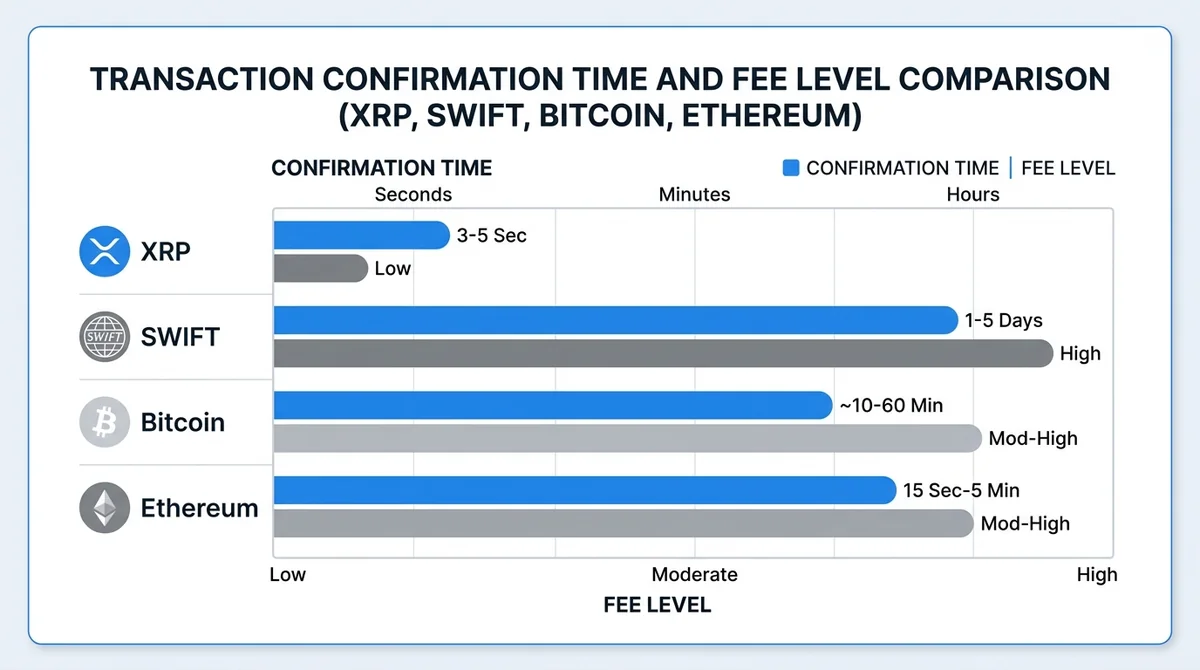
What is XRP mainly used for? XRP's core positioning is as a cross-border payment settlement token, with transaction confirmation times of about 3-5 seconds and extremely low fees. It suits users interested in cross-border payment scenarios, but regulatory uncertainty should be noted. Ripple collaborates with multiple financial institutions to promote XRP adoption in interbank transfers and remittance scenarios.
#XRP Regulatory Risks and Compliance
Is XRP a security? XRP's security status is legally disputed in the U.S., with some rulings stating it is not a security, but the regulatory stance may change. This directly affects the availability of XRP trading pairs in certain regions.
Why do some exchanges delist XRP? Mainly due to compliance risk considerations. Especially during the SEC lawsuit, some U.S. exchanges suspended XRP trading. Therefore, when choosing a trading venue, you should pay attention to its compliance status.
#How to Store XRP Safely? Exchange Wallet or Self-Custodial Wallet?
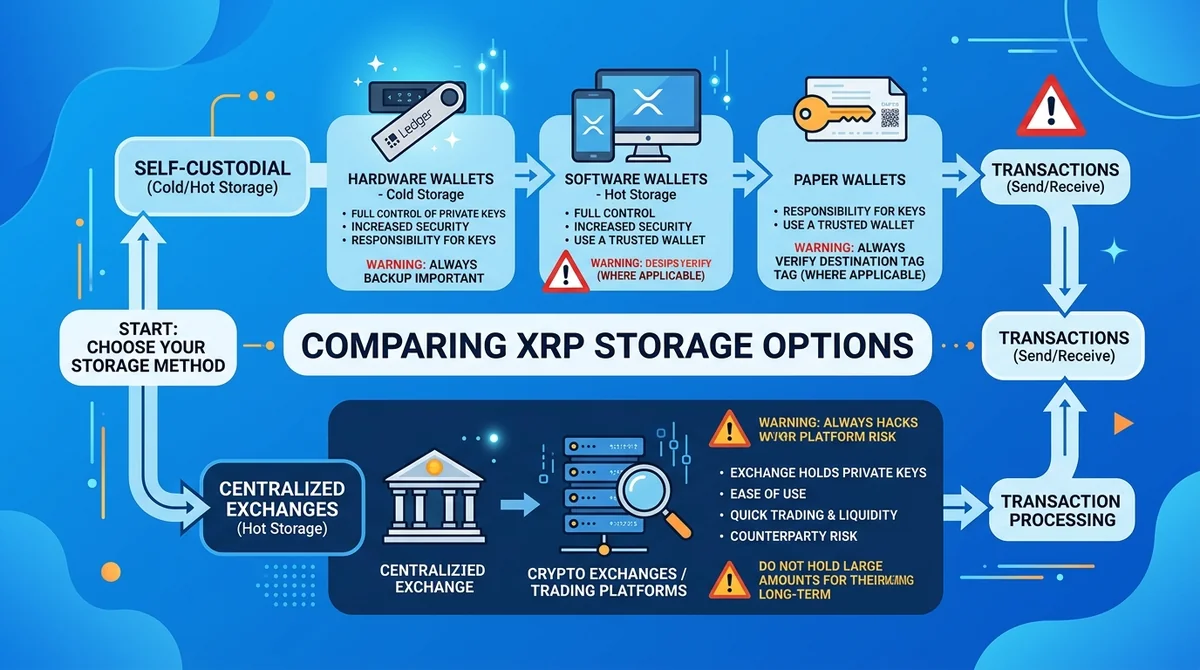
What self-custodial wallet options are available? Self-custodial wallets such as Ledger, Trezor, and XUMM allow users to control their private keys, offering higher security but requiring users to take full responsibility for safekeeping.
What are the risks of exchange wallets? Exchange wallets are custodial wallets managed by the platform, which carry risks of hacking or platform exit scams. Even if a platform has a high trust score, it does not guarantee absolute safety.
How to transfer XRP to a self-custodial wallet? XRP transfers must include a Destination Tag. An incorrect or missing tag may result in loss of assets. Always confirm the address and tag before transferring.
#Where Can You Trade XRP?
XRP can be traded on multiple centralized exchanges, which differ in liquidity, fees, and compliance. Users should choose based on their own needs and verify whether the platform supports XRP trading pairs and fiat on/off ramps. Specific fee data is not publicly disclosed and should be verified before trading.
#FAQ: Answers to Common XRP Concerns
Is XRP a security? XRP's security status is legally disputed in the U.S., with some rulings stating it is not a security, but the regulatory stance may change.
Why do some exchanges delist XRP? Mainly due to compliance risk considerations. Especially during the SEC lawsuit, some U.S. exchanges suspended XRP trading.
How much are XRP withdrawal fees? XRP withdrawal fees are usually very low, but vary by exchange. Specific fees should be confirmed on the withdrawal page.
How to store XRP safely? For long-term holding, it is recommended to use a self-custodial hardware wallet (such as Ledger or Trezor) and pay attention to the Destination Tag when transferring. For short-term trading, you may keep funds on a highly secure exchange.
What is XRP used for? XRP is mainly used for cross-border payments and liquidity bridging, with transaction confirmation times of about 3-5 seconds and extremely low fees.
Is XRP worth investing in? Investment decisions should consider regulatory risks, market volatility, and personal risk tolerance. This article does not constitute investment advice.
Where can I trade XRP? XRP can be traded on multiple centralized exchanges, but you should verify whether the platform supports XRP trading pairs and its compliance status.
Disclaimer: This content is compiled from public data and does not constitute investment or account opening advice. Data as of 2026-09-30, and actual conditions may change. For more information, please refer to relevant official sources.
FAQ
Is XRP a security?
XRP's security status is legally disputed in the U.S., with some rulings stating it is not a security, but the regulatory stance may change.
Why do some exchanges delist XRP?
Mainly due to compliance risk considerations. Especially during the SEC lawsuit, some U.S. exchanges suspended XRP trading.
How much are XRP withdrawal fees?
XRP withdrawal fees are usually very low, but vary by exchange. Specific fees should be confirmed on the withdrawal page.
How to store XRP safely?
For long-term holding, it is recommended to use a self-custodial hardware wallet (such as Ledger or Trezor) and pay attention to the Destination Tag when transferring. For short-term trading, you may keep funds on a highly secure exchange.
Does CoinW support XRP trading?
CoinW supports trading of various cryptocurrencies, but has not explicitly disclosed XRP trading pairs. Please verify on the platform.
Read the review? Ready to try a small position?
The crypto assets and tokenized US stocks/ETFs covered here are available on MSX — spot and perpetuals.
Quick Start Trading →New here? Registration takes three quick steps.