SOL
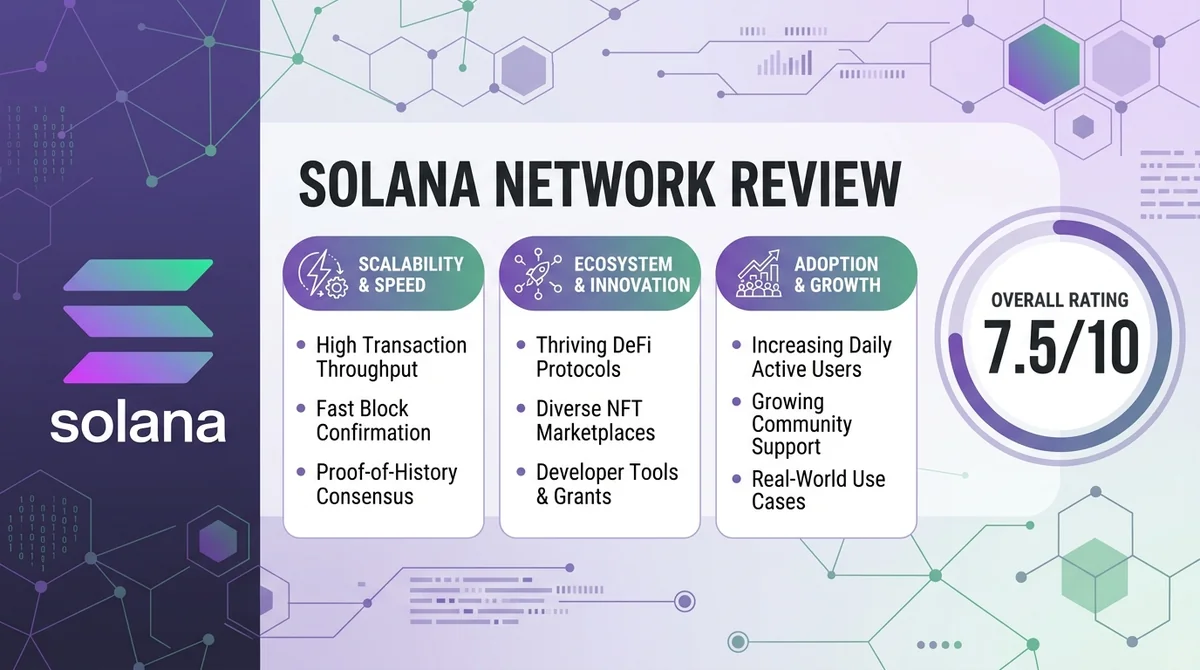
SOL is Solana's native token for gas, staking, and governance. This review covers pros, risks, user fit, and valuation metrics based on public data.
Answer: SOL is the native token of the Solana blockchain, with an overall score of 7.5/10, suitable for users who are bullish on Solana's long-term ecosystem development and can tolerate high volatility.
#What Is SOL? The Core Token of the Solana Ecosystem
#What Role Does SOL Play in the Solana Blockchain?
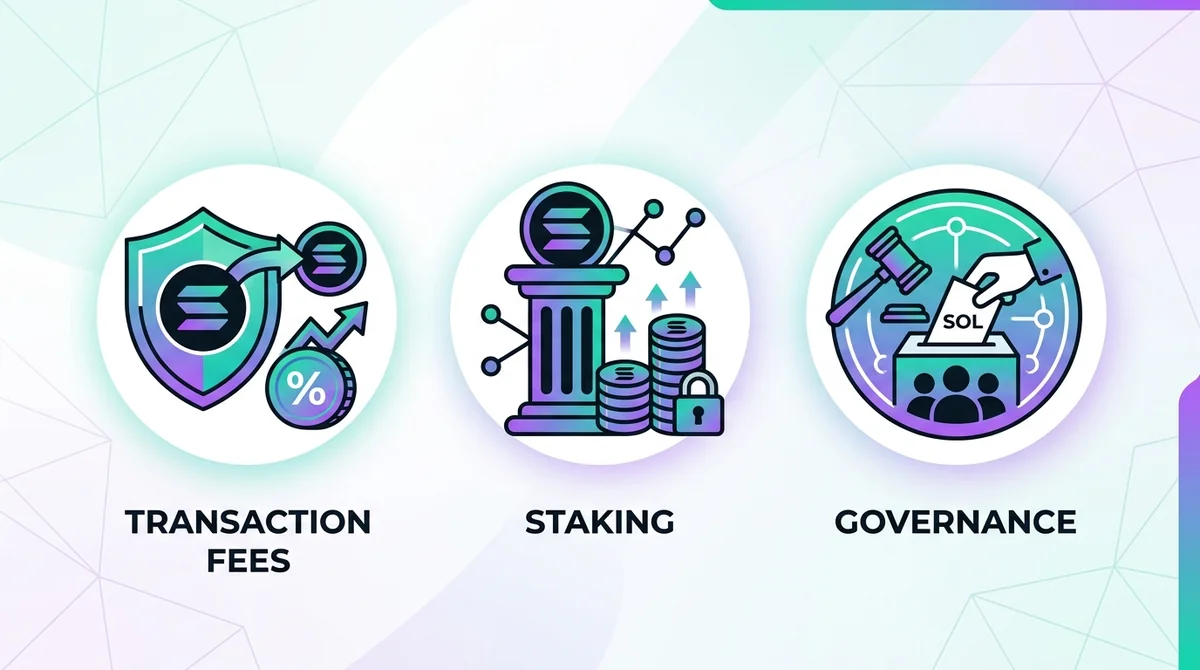
SOL is the native token of the Solana blockchain, primarily used to pay transaction fees, stake for network consensus, and participate in governance. Users need to spend a small amount of SOL as gas fees when initiating transactions on the Solana network, and holders can stake SOL to validator nodes to help maintain network security and earn staking rewards.
#How Is SOL Issued and Distributed?
SOL's supply is dynamically adjusted through inflation and burning mechanisms. The initial token distribution includes early investors, the team, and ecosystem funds, but specific allocation ratios are not publicly disclosed. The network periodically issues new SOL as staking rewards, while a portion of transaction fees is burned, impacting the overall supply.
#What Are the Core Advantages of SOL?
#How Are High Performance and Low Fees Achieved?
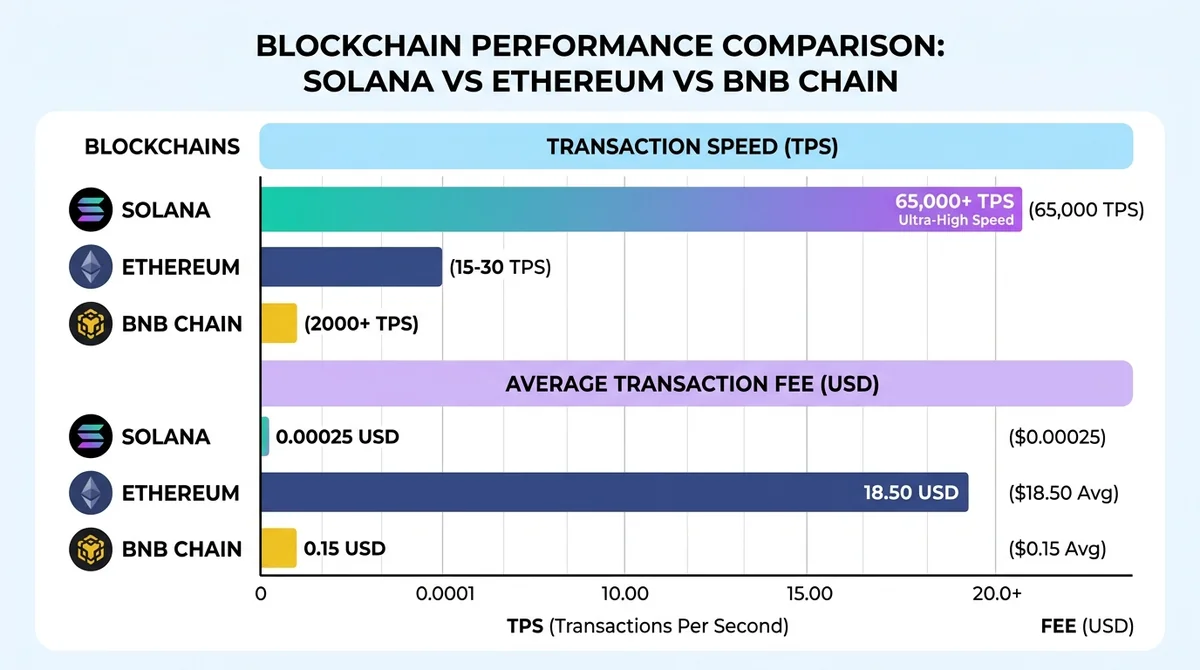
The Solana blockchain is known for its high throughput and low latency, theoretically supporting thousands of transactions per second, with transaction fees far lower than networks like Ethereum. This is due to its unique Proof of History consensus mechanism and parallel processing capabilities.
#What Is the Current State of the Solana Ecosystem?
The Solana ecosystem spans DeFi, NFTs, gaming, and more, with a large number of projects. Total value locked (TVL) and on-chain activity are important indicators of its development, but specific data is not publicly available.
#What Are the Main Risks Facing SOL?
#How Does Network Stability Affect SOL?
The Solana network has experienced multiple outages historically, affecting user confidence and trading experience. Network stability is a significant risk factor for SOL's long-term value.
#How Intense Is Competition from Other Layer-1 Blockchains?
Ethereum, BNB Chain, and other Layer-1 blockchains have first-mover advantages in ecosystem scale, developer count, and user base. Solana needs to continuously attract developers and users to remain competitive.
#How Does Regulatory Uncertainty Affect SOL?
Global regulatory policies on crypto assets are still evolving, which may impose restrictions on the trading, holding, and use of SOL.
#Which Types of Users Is SOL Suitable For?
#What Should Long-Term Holders Focus On?
Long-term holders should pay attention to the growth rate of the Solana ecosystem, improvements in network stability, and shifts in the competitive landscape. If the ecosystem continues to grow and technical issues are resolved, SOL may benefit.
#How Can Short-Term Traders Leverage SOL's Volatility?
SOL's price is highly volatile, and short-term traders can use swing trading to capture gains, but they need to pay attention to risk management and changes in market sentiment.
#How to Evaluate SOL's Current Value?
#What Key Metrics Can Be Referenced?
To evaluate SOL's value, one can refer to metrics such as market capitalization, circulating supply, on-chain activity, and ecosystem TVL. Market capitalization reflects the overall market valuation of SOL, while on-chain activity and TVL reflect actual ecosystem usage.
#How to Analyze in the Context of the Market Environment?
Analysis should be combined with the overall crypto market cycle, macroeconomic conditions, and Solana ecosystem development. During market downturns, SOL may face greater selling pressure; during ecosystem booms, demand for SOL may increase.
#Overall Score and Dimension Ratings
Liquidity: 8/10. SOL is traded on major exchanges with good liquidity.
Cost: 7/10. Transaction fees are low, but may rise during network congestion.
Risk: 6/10. Network stability and competitive risks are relatively high.
Return Profile: 8/10. High volatility brings potential high returns, but also high risk.
Accessibility: 7/10. Available on most major exchanges, but restricted in some regions.
#Pros and Cons
Pros:
- High performance and low fees, suitable for high-frequency trading and micropayments.
- Rapidly growing ecosystem covering multiple hot sectors.
- Staking mechanism provides additional yield for holders.
Cons:
- Network stability issues have occurred multiple times historically.
- Faces intense competition from Ethereum and other Layer-1 blockchains.
- Regulatory uncertainty may affect long-term development.
#Who Is It For / Who Is It Not For
Suitable for: Investors bullish on Solana's long-term ecosystem development who can tolerate high volatility; traders skilled at leveraging volatility for short-term trading.
Not suitable for: Investors with low risk tolerance seeking stable returns; users with strict requirements for network stability.
#FAQ
Q1: What is the relationship between SOL and Solana? A1: SOL is the native token of the Solana blockchain, used for paying transaction fees, staking, and governance.
Q2: How can I buy SOL? A2: You can buy SOL on cryptocurrency exchanges that support it, such as Binance and Coinstore.
Q3: Is SOL's supply fixed? A3: No, SOL's supply is dynamically adjusted through inflation and burning mechanisms.
Q4: How do Solana network outages affect SOL's price? A4: Network outages may trigger market concerns, leading to a short-term decline in SOL's price.
Q5: Is SOL suitable for long-term holding? A5: It depends on your judgment of Solana's ecosystem development; long-term holding requires tolerating high volatility.
This content is compiled based on public data and does not constitute investment or account opening advice. Data as of 2026-09-23; actual conditions may change. Please refer to the official Solana documentation for more information.
FAQ
What is the relationship between SOL and Solana?
SOL is the native token of the Solana blockchain, used for paying transaction fees, staking, and governance.
How can I buy SOL?
You can buy SOL on cryptocurrency exchanges that support it, such as Binance and Coinstore.
Is SOL's supply fixed?
No, SOL's supply is dynamically adjusted through inflation and burning mechanisms.
How do Solana network outages affect SOL's price?
Network outages may trigger market concerns, leading to a short-term decline in SOL's price.
Is SOL suitable for long-term holding?
It depends on your judgment of Solana's ecosystem development; long-term holding requires tolerating high volatility.
Read the review? Ready to try a small position?
The crypto assets and tokenized US stocks/ETFs covered here are available on MSX — spot and perpetuals.
Quick Start Trading →New here? Registration takes three quick steps.