UK Stocks
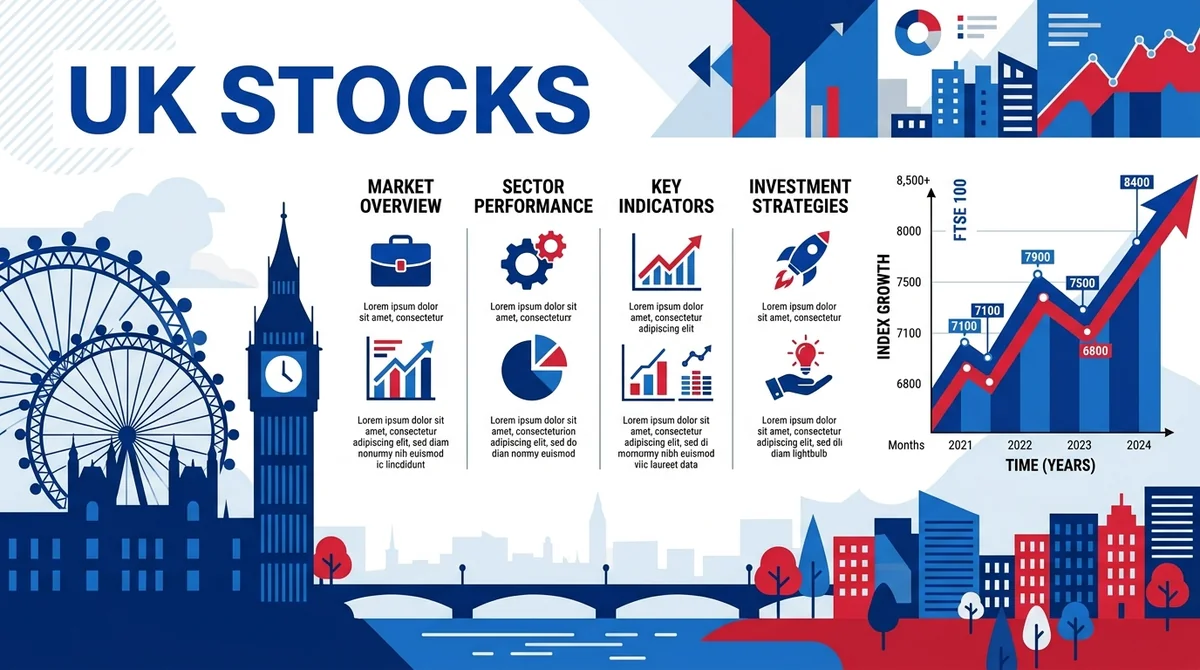
UK stocks offer strict regulation and higher dividend yields but have high trading costs and unfriendly hours for Asia-Pacific. We review liquidity, costs, and risks.
Overall verdict: UK stocks suit long-term value investors seeking stable dividend income, accepting lower volatility and higher trading costs; not for short-term traders, time-sensitive investors, or those with higher risk appetite.
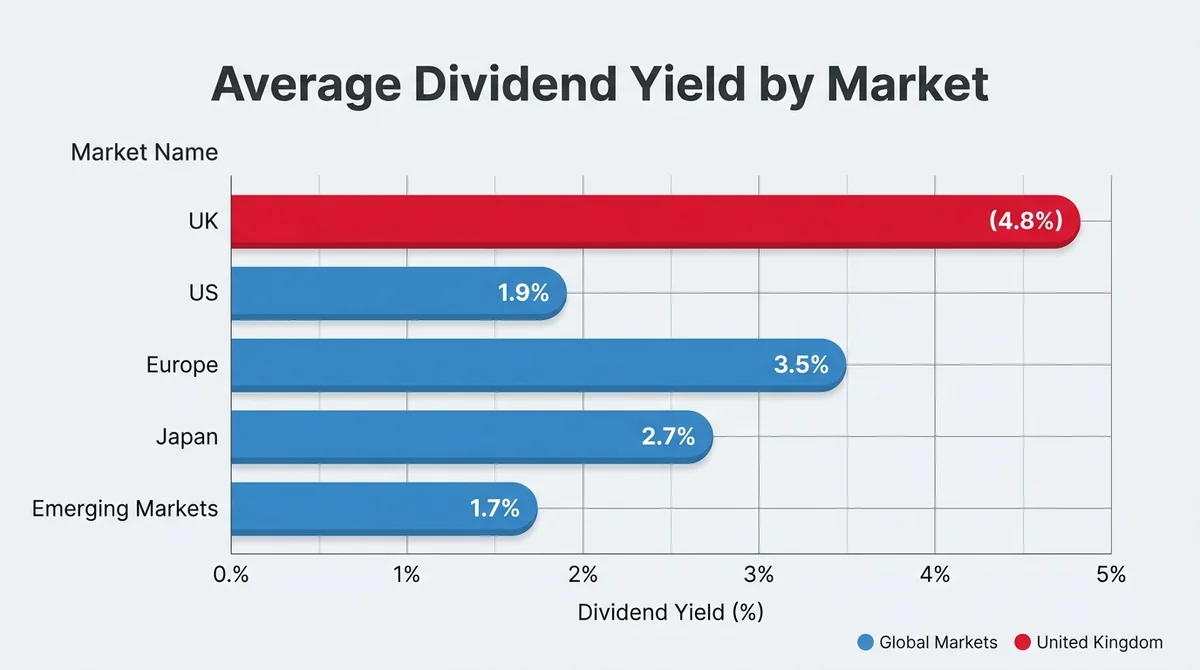
UK stocks' core strengths are mature regulation and relatively high dividend yields, but trading costs (0.5% stamp duty) and trading hours (15:00–23:30 or 16:00–00:30 Beijing time) are unfriendly to Asia-Pacific investors. Specific dividend yields are not disclosed; according to public sources, FTSE 100 constituents overall offer higher dividend yields among major developed markets.
#What is the London Stock Exchange?
#Exchange history and status
The London Stock Exchange (LSE) is one of the world's oldest exchanges with mature regulation. Its core index, the FTSE 100, comprises the largest blue-chip companies, mostly multinationals, with sectors tilted toward financials, energy, and consumer.
#Main indices and constituents
The FTSE 100 covers about 100 large listed companies and is the main benchmark for UK stocks. The FTSE 250 and others reflect mid-cap performance. Blue-chip concentration is high and liquidity ample.
#What are the notable advantages of UK stocks?
#Regulatory environment
The UK stock market is strictly regulated by the Financial Conduct Authority (FCA), with high standards for disclosure and corporate governance.
#Dividend yield
FTSE 100 constituents overall offer higher dividend yields among major developed markets, attractive for income investors. Specific yields are not disclosed; investors can refer to index provider data.
#Market depth
The London market is active with high institutional participation; large-cap liquidity is ample and bid-ask spreads are narrow. Specific spreads are not disclosed.
#What are the unavoidable disadvantages of UK stocks?
#Trading costs
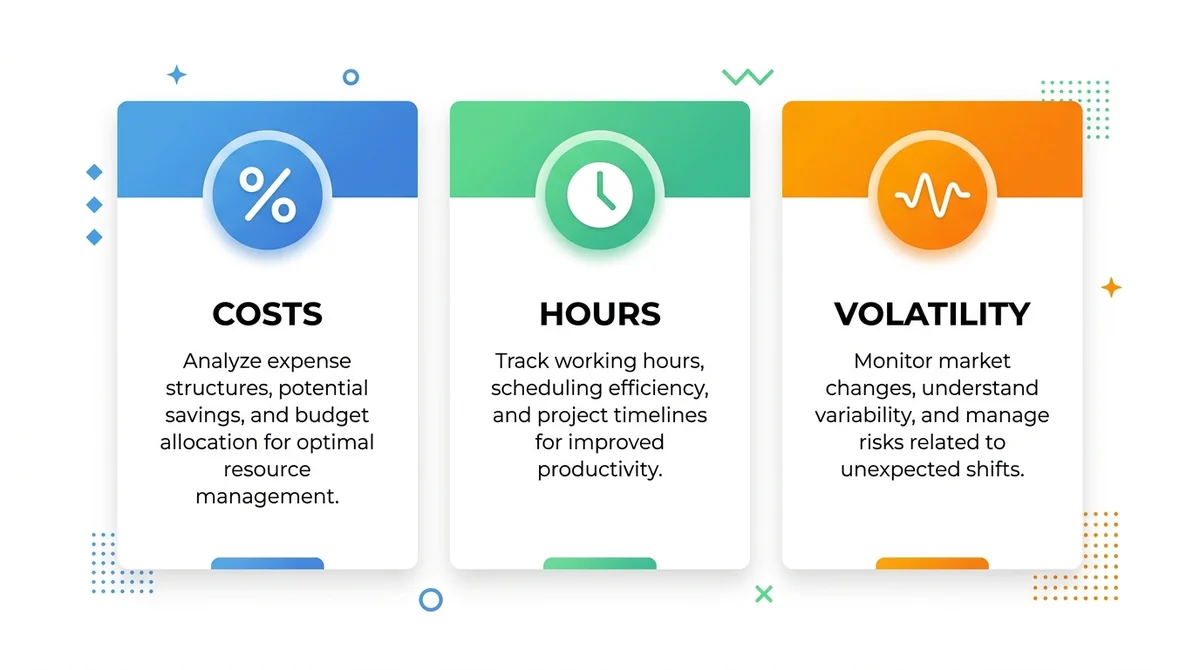
UK stock trading typically involves stamp duty (0.5% on purchase), broker commissions, and possible currency conversion costs, making overall costs relatively high. Specific commission rates are not disclosed; they vary by broker.
#Trading hours
London trading hours are 15:00–23:30 Beijing time (summer) or 16:00–00:30 (winter), unfriendly for Asia-Pacific investors, requiring staying up late or setting conditional orders.
#Market volatility
UK stocks overall have lower volatility than markets like the US, with smaller short-term price swings, less attractive for short-term traders.
#Who are UK stocks suitable for?
#Long-term value investors
Investors willing to hold long term, focusing on fundamentals rather than short-term price movements.
#Dividend income seekers
Income investors wanting stable cash flow and valuing dividend reinvestment.
#Risk tolerance
Suitable for medium risk appetite, accepting currency fluctuations and lower capital appreciation potential.
#What are the risks of investing in UK stocks?
#Currency risk
UK stocks are priced in GBP; non-GBP investors bear pound exchange rate fluctuation risk.
#Political risk
Post-Brexit policy uncertainty, elections, and other political events may affect market sentiment and corporate earnings.
#Delisting risk
Delisting risk is relatively low in the UK market, but individual companies may still delist due to mergers, privatisation, etc.
#Core attributes in detail
#Liquidity
FTSE 100 large caps have ample liquidity, but mid and small caps may have poorer liquidity. Specific bid-ask spreads are not disclosed.
#Costs
Trading costs include 0.5% stamp duty (on purchase), broker commissions (vary by platform), and possible currency conversion fees. Specific rates are not disclosed.
#Risk profile
Overall market volatility is lower, but currency and political risks exist. Delisting risk is low.
#Return profile
Dividend yields are relatively high, but capital appreciation potential may be lower than growth markets. Specific dividend yields are not disclosed.
#Risk history
The UK stock market has experienced several major fluctuations, such as the 2008 financial crisis, the 2016 Brexit referendum, and the 2020 pandemic. These events caused sharp short-term declines but long-term recovery trends. Specific drawdowns are not disclosed.
#Who it suits / who it doesn't
Suits: long-term value investors, dividend income seekers, investors able to accept pound exchange rate risk.
Doesn't suit: short-term traders, time-sensitive investors (Asia-Pacific time zone), those seeking high volatility and high capital appreciation.
#Differences between UK and US stocks
UK and US stocks differ in trading hours, regulation, sector distribution, and dividend policy. US trading hours are friendlier for Asia-Pacific investors, with high tech weighting; UK stocks have higher financials, energy, and consumer weighting, and usually higher dividend yields. The choice depends on investor preference.
#How to choose a UK stock broker
Consider commissions, platform features, customer service, currency conversion costs, and regulatory compliance. Compare multiple brokers, look for commission-free promotions or low currency conversion fees, and confirm FCA regulation.
#FAQ
What are UK stock trading hours? London trading hours are 15:00–23:30 Beijing time (summer) or 16:00–00:30 (winter).
What taxes and fees apply to UK stock investing? Buying UK stocks incurs 0.5% stamp duty; selling does not. There are also broker commissions and possible currency conversion fees.
Are UK stock dividend yields high? FTSE 100 constituents overall offer higher dividend yields among major developed markets, but specific figures vary by stock. Latest average yields are not disclosed; check index provider data.
Are UK stocks suitable for short-term trading? No. UK stock market volatility is low, trading hours are unfriendly for Asia-Pacific, and short-term trading costs are high.
How to reduce currency risk in UK stock investing? You can use FX hedging instruments or choose products denominated in your home currency to reduce currency risk, but specific operations require professional advice.
What are the differences between UK and US stocks? UK stock trading hours are unfriendly for Asia-Pacific investors, sectors tilt toward financials, energy, and consumer, and dividend yields are usually higher; US stocks have high tech weighting and friendlier trading hours. The choice depends on investment goals and risk appetite.
How to choose a UK stock broker? Compare commissions, platform features, currency conversion costs, and regulatory compliance. Prioritise FCA-regulated brokers with transparent commissions and Chinese-language service.
This content is compiled from public data and does not constitute investment or account opening advice. Data as of 2026-09-12; actual conditions may change. Check the London Stock Exchange official sources for the latest information.
FAQ
What are UK stock trading hours?
London trading hours are 15:00–23:30 Beijing time (summer) or 16:00–00:30 (winter).
What taxes and fees apply to UK stock investing?
Buying UK stocks incurs 0.5% stamp duty; selling does not. There are also broker commissions and possible currency conversion fees.
Are UK stock dividend yields high?
FTSE 100 constituents overall offer higher dividend yields among major developed markets, but specific figures vary by stock.
Are UK stocks suitable for short-term trading?
No. UK stock market volatility is low, trading hours are unfriendly for Asia-Pacific, and short-term trading costs are high.
How to reduce currency risk in UK stock investing?
You can use FX hedging instruments or choose products denominated in your home currency to reduce currency risk, but specific operations require professional advice.
Read the review? Ready to try a small position?
The crypto assets and tokenized US stocks/ETFs covered here are available on MSX — spot and perpetuals.
Quick Start Trading →New here? Registration takes three quick steps.