UK stocks
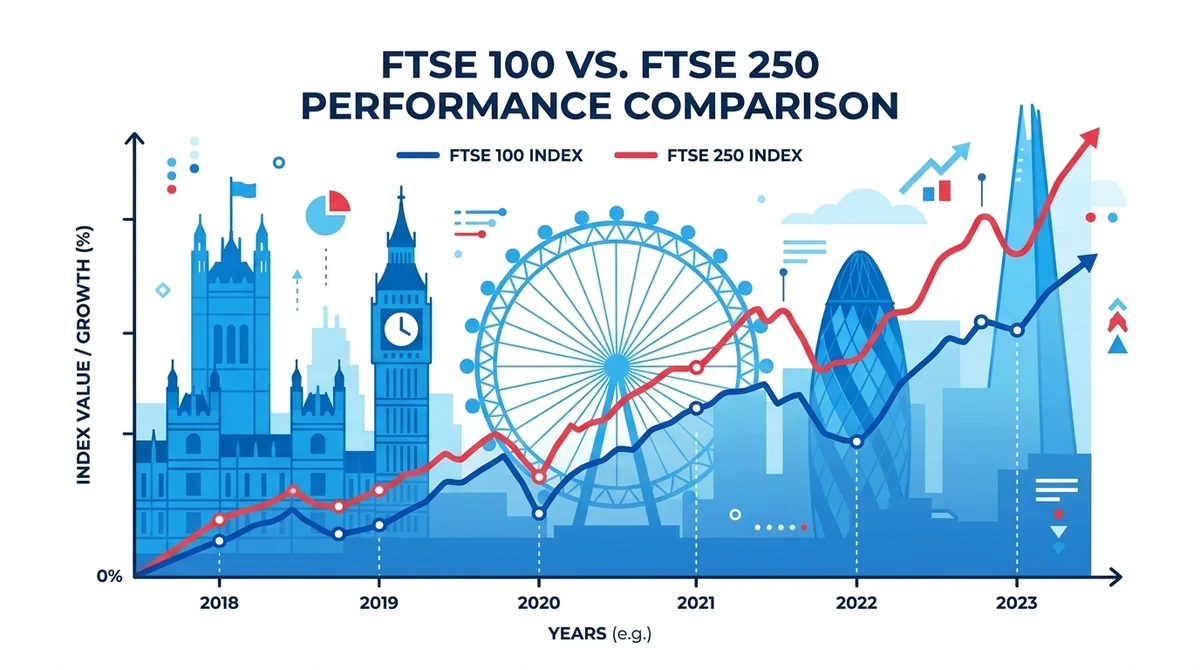
UK stocks are shares listed on UK exchanges, giving real company ownership. Explore pros, cons, risks, and suitable investor types to decide.
Bottom line: UK stocks suit long-term investors seeking stable dividends and geographic diversification. Key considerations are sector concentration and currency risk tolerance; next assess your investment horizon and risk appetite.
#What are UK stocks?
UK stocks refer to shares listed on UK exchanges. Investors hold real company equity, making this a spot investment. Major UK equity indices include the FTSE 100 and FTSE 250. The FTSE 100 comprises the 100 largest companies on the London Stock Exchange by market capitalisation, with sector weightings skewed towards financials, energy, and consumer goods. The FTSE 250 covers mid-cap companies and is more focused on the domestic UK economy.
Asset held: Investing in UK stocks means directly owning equity in listed companies, with voting rights and dividend entitlements.
#What are the pros and cons of UK stocks?
Pros:
- Mature market and strong regulation: The UK equity market has a long history, a strict regulatory framework, and robust investor protection.
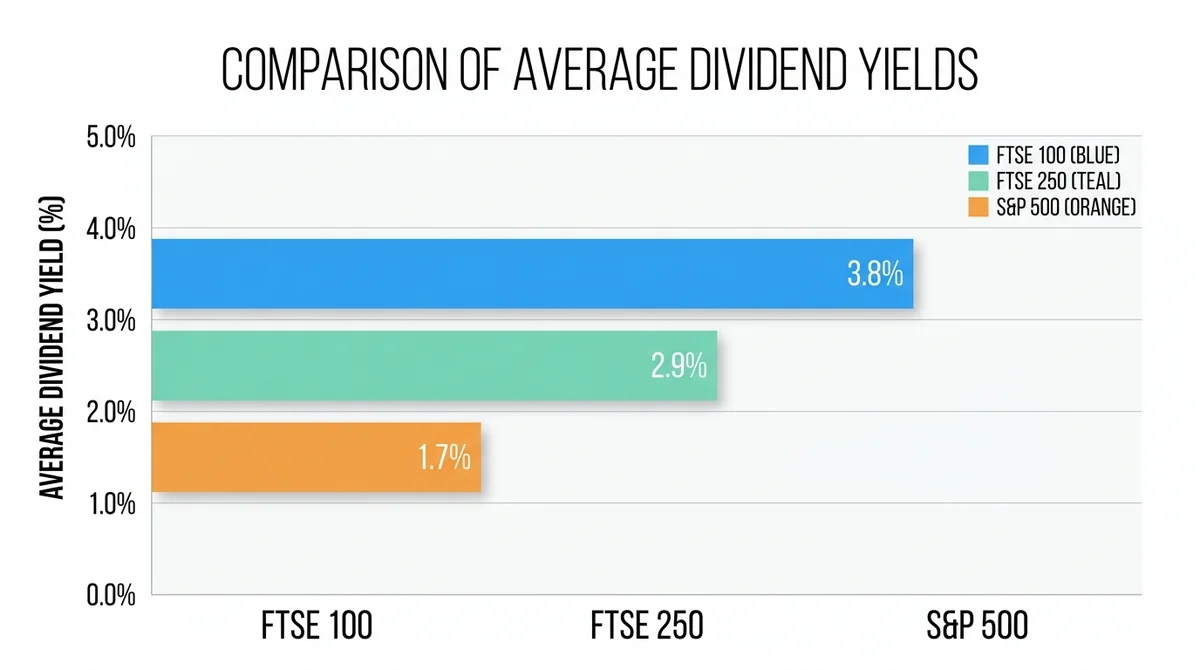
- Stable dividends: Many UK-listed companies, especially FTSE 100 constituents, offer relatively high dividend yields.
- Geographic diversification: Adds European market exposure to a portfolio, reducing single-market risk.
Cons:
- High sector concentration: Financials and energy carry significant index weight, potentially amplifying sector-specific volatility.
- Currency risk: GBP exchange rate fluctuations affect actual returns for non-GBP investors.
- Post-Brexit uncertainty: Changes in trade policy and the economic environment may impact corporate earnings.
#Which investors are UK stocks suitable for?
Suitable for:
- Long-term investors: Willing to hold for 5+ years, seeking stable cash flow and capital appreciation.
- Dividend-focused investors: Prioritise dividend income and can accept lower growth.
- Those needing geographic diversification: Aim to reduce reliance on a single market (e.g., the US).
Not suitable for:
- Short-term traders chasing high growth: UK equities generally have lower growth potential than US tech stocks.
- Investors with low risk tolerance who cannot withstand currency fluctuations.
#What risks should you watch when investing in UK stocks?
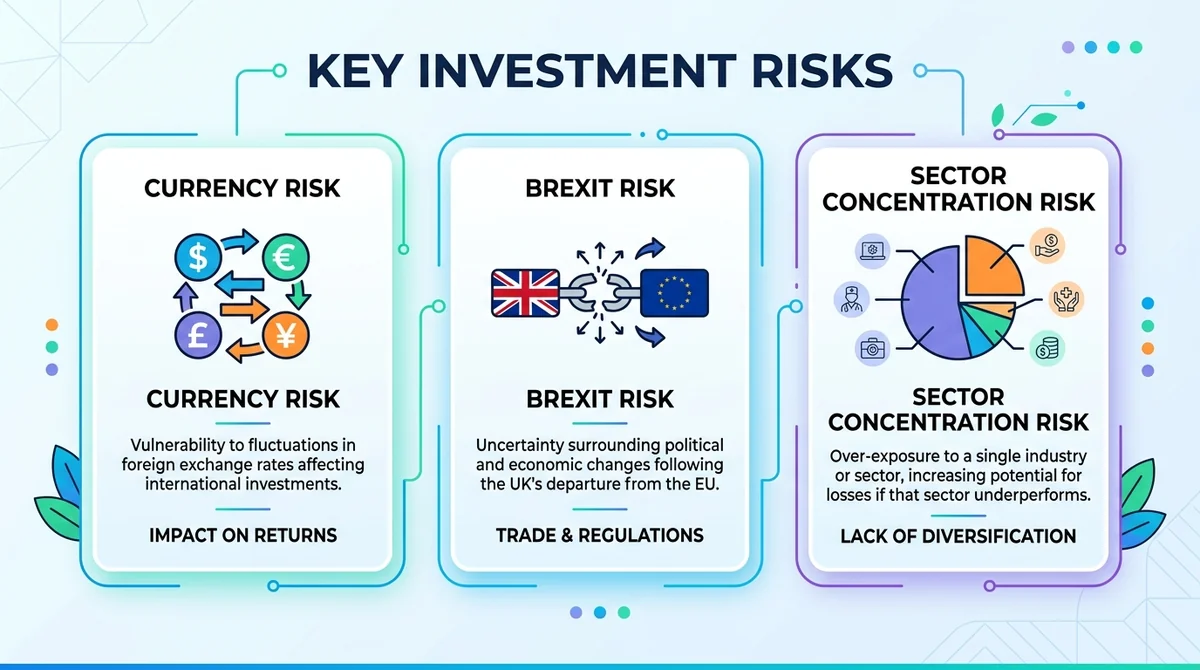
Currency risk: For non-GBP investors, GBP depreciation erodes investment returns. For example, if GBP falls 10% against USD, a USD-denominated investment loses 10% in value even if the share price is unchanged.
Brexit impact: Post-Brexit uncertainty remains over UK-EU trade relations and financial services access, potentially affecting earnings in related sectors.
Sector concentration risk: Financials and energy have high index weightings; if these sectors underperform, overall returns may be dragged down.
#Who is it for / not for
Who it's for: Long-term investors, dividend seekers, and those looking for geographic diversification.
Who it's not for: Short-term traders, high-growth seekers, and those unable to tolerate currency fluctuations.
#FAQ
What are the main indices included in UK stocks? The main UK stock indices are the FTSE 100 (large-cap) and FTSE 250 (mid-cap), together covering most of the UK equity market's capitalisation.
Does investing in UK stocks mean directly holding company shares? Yes, investors directly own company equity by purchasing shares, with voting rights and dividend entitlements.
How does currency risk affect non-GBP investors? GBP depreciation reduces investment returns in other currencies; conversely, GBP appreciation boosts returns.
What are the long-term effects of Brexit on the UK stock market? Brexit may increase trade barriers and restrict financial services access, affecting earnings in related sectors, but the specific impact varies by industry.
Are UK stocks suitable for short-term trading? Generally not. UK equities have relatively low volatility and fewer short-term trading opportunities, making them more suitable for long-term holding.
This content is compiled from public data and does not constitute investment or account-opening advice. Data is as of 2026-09-13 and may change. Please refer to official sources for UK major indices and listed companies for the latest information.
FAQ
What are the main indices included in UK stocks?
The main UK stock indices are the FTSE 100 (large-cap) and FTSE 250 (mid-cap), together covering most of the UK equity market's capitalisation.
Does investing in UK stocks mean directly holding company shares?
Yes, investors directly own company equity by purchasing shares, with voting rights and dividend entitlements.
How does currency risk affect non-GBP investors?
GBP depreciation reduces investment returns in other currencies; conversely, GBP appreciation boosts returns.
What are the long-term effects of Brexit on the UK stock market?
Brexit may increase trade barriers and restrict financial services access, affecting earnings in related sectors, but the specific impact varies by industry.
Are UK stocks suitable for short-term trading?
Generally not. UK equities have relatively low volatility and fewer short-term trading opportunities, making them more suitable for long-term holding.
Related Terms
Read the review? Ready to try a small position?
The crypto assets and tokenized US stocks/ETFs covered here are available on MSX — spot and perpetuals.
Quick Start Trading →New here? Registration takes three quick steps.