XRP
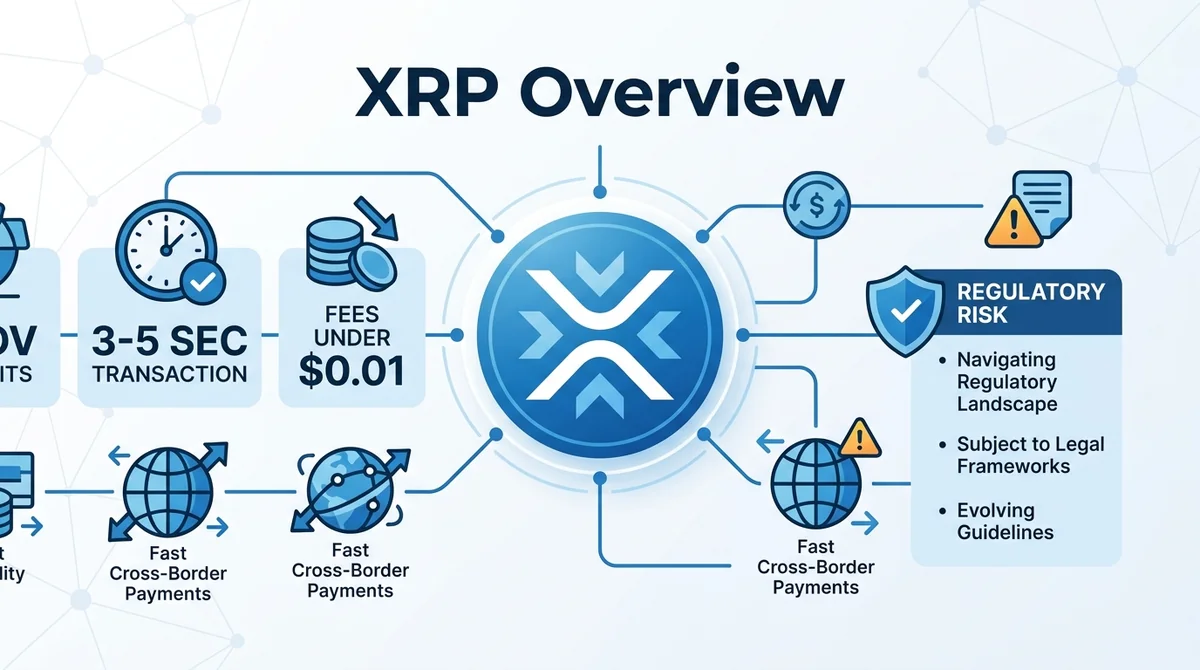
Objective XRP review: transaction speed, fees, scalability, centralization controversy, and SEC lawsuit impact. Who it suits, based on public data.
XRP overall score 6.5/10, suitable for investors bullish on cross-border payment applications and able to withstand regulatory risk, not suitable for users seeking full decentralization or sensitive to regulatory uncertainty. Its core advantages are transaction confirmation typically in 3-5 seconds and extremely low fees; main risks are centralization and uncertainty from the SEC lawsuit.
What is XRP? What problem does it solve?
XRP is the native token of the Ripple network, which aims to optimize cross-border payment processes through fast, low-cost transactions. Traditional cross-border payments suffer from high fees, slow settlement, and multiple intermediaries. As a bridge currency, XRP can quickly convert between different fiat currencies, reducing liquidity costs. Ripple the company and the XRP token are related but have different roles: Ripple is a technology company driving network adoption; XRP is a digital asset running on the XRP Ledger, used for payments and liquidity.
What are XRP's core advantages?
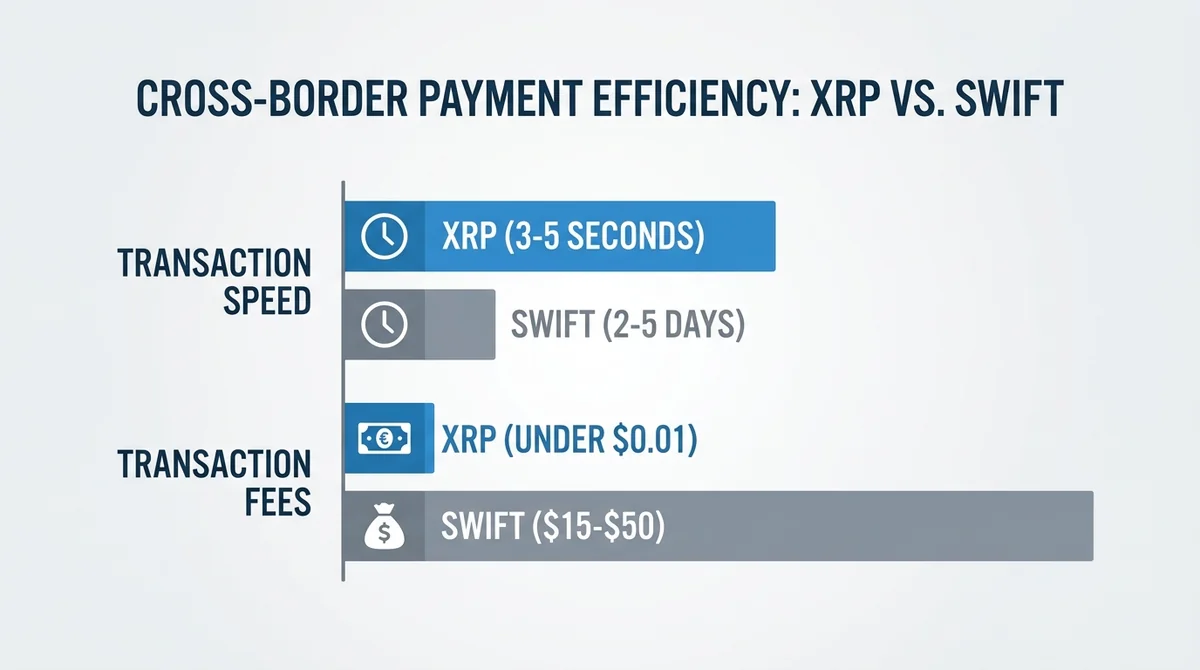
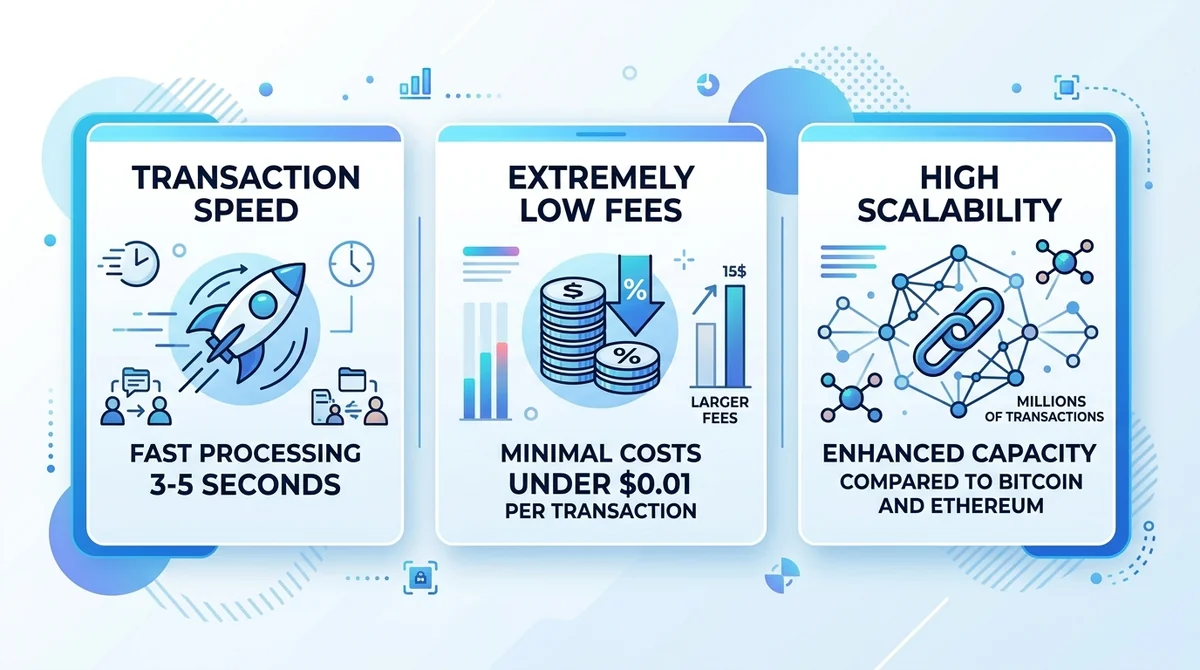
Transaction speed and fees: XRP transaction confirmation typically takes 3-5 seconds, with extremely low fees, well under 1 cent. Scalability: The XRP Ledger has high throughput, with theoretical capacity far exceeding Bitcoin and Ethereum mainnet.
What are XRP's risks and controversies?
Degree of centralization: XRP's governance structure is relatively centralized. Ripple holds a large amount of XRP and controls some validator nodes, conflicting with the decentralization ethos. Regulatory lawsuit: The US SEC sued Ripple, alleging XRP constituted an unregistered security. Although a court ruling partially favored Ripple, regulatory uncertainty remains, potentially affecting XRP adoption and price.
Who is XRP suitable for? Who is it not suitable for?
Suitable for: Investors bullish on the cross-border payment sector, who believe in Ripple's partner network, and can tolerate regulatory risk. Not suitable for: Users seeking full decentralization, extremely risk-averse, or sensitive to regulatory uncertainty.
Core attributes in detail
Fees: Transaction fees are extremely low, typically less than 0.0001 XRP (about $0.00001) per transaction. Valuation: XRP's price is influenced by market supply and demand, regulatory developments, and Ripple partnerships. Current valuation data is not publicly available. Liquidity: XRP has high liquidity on major exchanges, but specific trading volume data is not publicly available. Equity attributes: Holding XRP does not represent ownership of Ripple the company, nor does it confer voting rights or dividends.
Risk history
In December 2020, the US SEC sued Ripple, alleging an unregistered securities offering through XRP sales. In July 2023, the court ruled that XRP sales on secondary markets do not constitute securities, but institutional sales may still violate securities laws. The lawsuit significantly impacted XRP price and exchange listings; some US exchanges temporarily suspended XRP trading.
Suitable for / Not suitable for
Suitable for: Investors with long-term confidence in cross-border payment applications, able to withstand regulatory risk, and wanting to transact on a low-cost, high-speed network. Not suitable for: Users seeking full decentralization, unable to tolerate regulatory uncertainty, or requiring a stable compliance environment.
FAQ
What is the relationship between XRP and Ripple? Ripple is a technology company developing payment solutions based on the XRP Ledger; XRP is the native digital asset of the XRP Ledger, used for payments and liquidity. Ripple holds a large amount of XRP, but the two are legally independent.
What are XRP's transaction speed and fees? XRP transaction confirmation typically takes 3-5 seconds, with extremely low fees, usually under 1 cent, suitable for high-frequency, small-value cross-border payments.
Is XRP a security? The US court ruled that XRP sales on secondary markets do not constitute securities, but institutional sales may still violate securities laws. Regulatory uncertainty has not been fully resolved.
Is XRP suitable for long-term investment? Depends on the investor's judgment of cross-border payment applications and the regulatory environment. XRP has technical advantages, but centralization and regulatory risks cannot be ignored.
Where can I find official information about XRP? Visit the official Ripple website or XRP Ledger documentation for the latest information.
Disclaimer: This content is based on public data and does not constitute investment or account opening advice. Data as of 2026-09-23, actual conditions may change.
FAQ
What is the relationship between XRP and Ripple?
Ripple is a technology company developing payment solutions based on the XRP Ledger; XRP is the native digital asset of the XRP Ledger, used for payments and liquidity. Ripple holds a large amount of XRP, but the two are legally independent.
What are XRP's transaction speed and fees?
XRP transaction confirmation is in seconds, with extremely low fees, usually under 1 cent, suitable for high-frequency, small-value cross-border payments.
Is XRP a security?
The US court ruled that XRP sales on secondary markets do not constitute securities, but institutional sales may still violate securities laws. Regulatory uncertainty has not been fully resolved.
Is XRP suitable for long-term investment?
Depends on the investor's judgment of cross-border payment applications and the regulatory environment. XRP has technical advantages, but centralization and regulatory risks cannot be ignored.
Where can I find official information about XRP?
Visit the official Ripple website or XRP Ledger documentation for the latest information.
Read the review? Ready to try a small position?
The crypto assets and tokenized US stocks/ETFs covered here are available on MSX — spot and perpetuals.
Quick Start Trading →New here? Registration takes three quick steps.